What is ERP? The Complete Guide to Enterprise Resource Planning Systems in 2026
- Home
- What is ERP? The Complete Guide to Enterprise Resource Planning Systems in 2026
What is ERP? Demystifying Enterprise Resource Planning
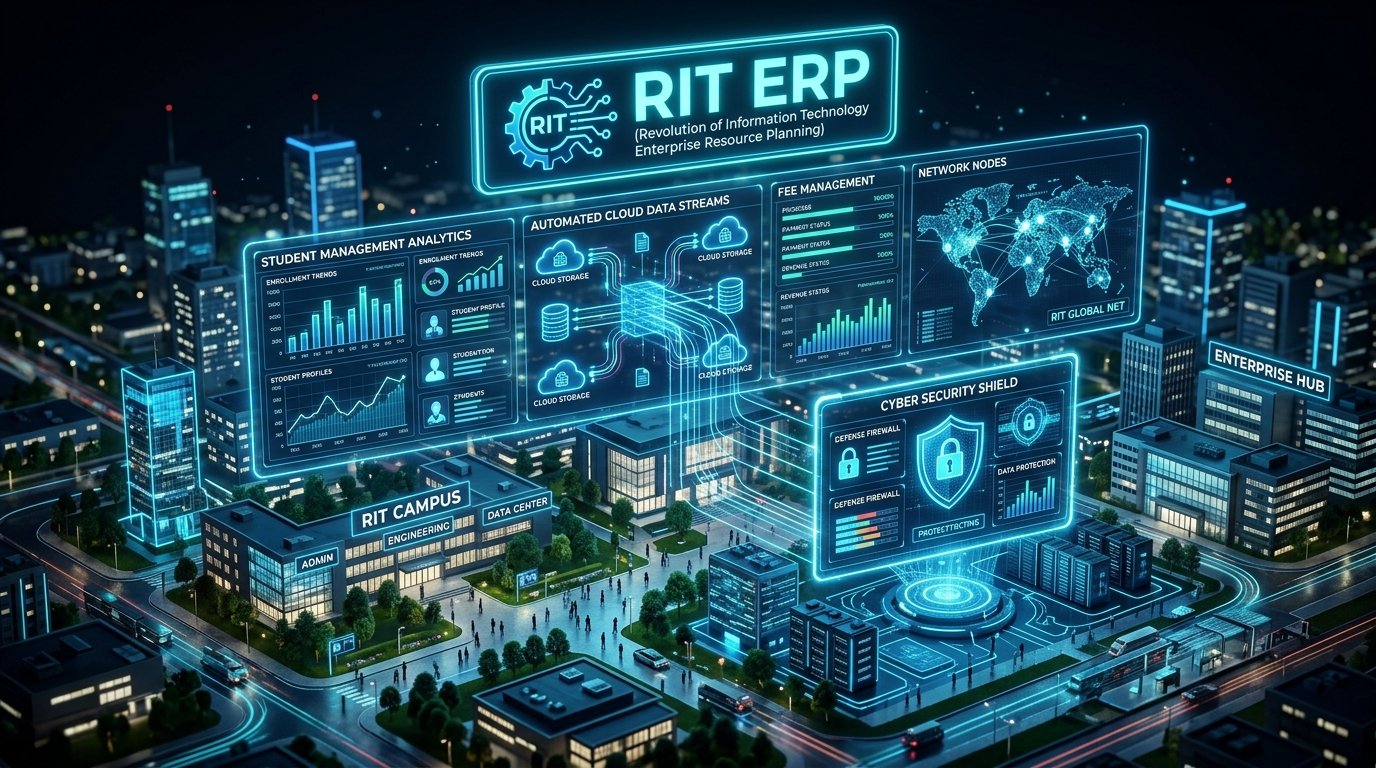
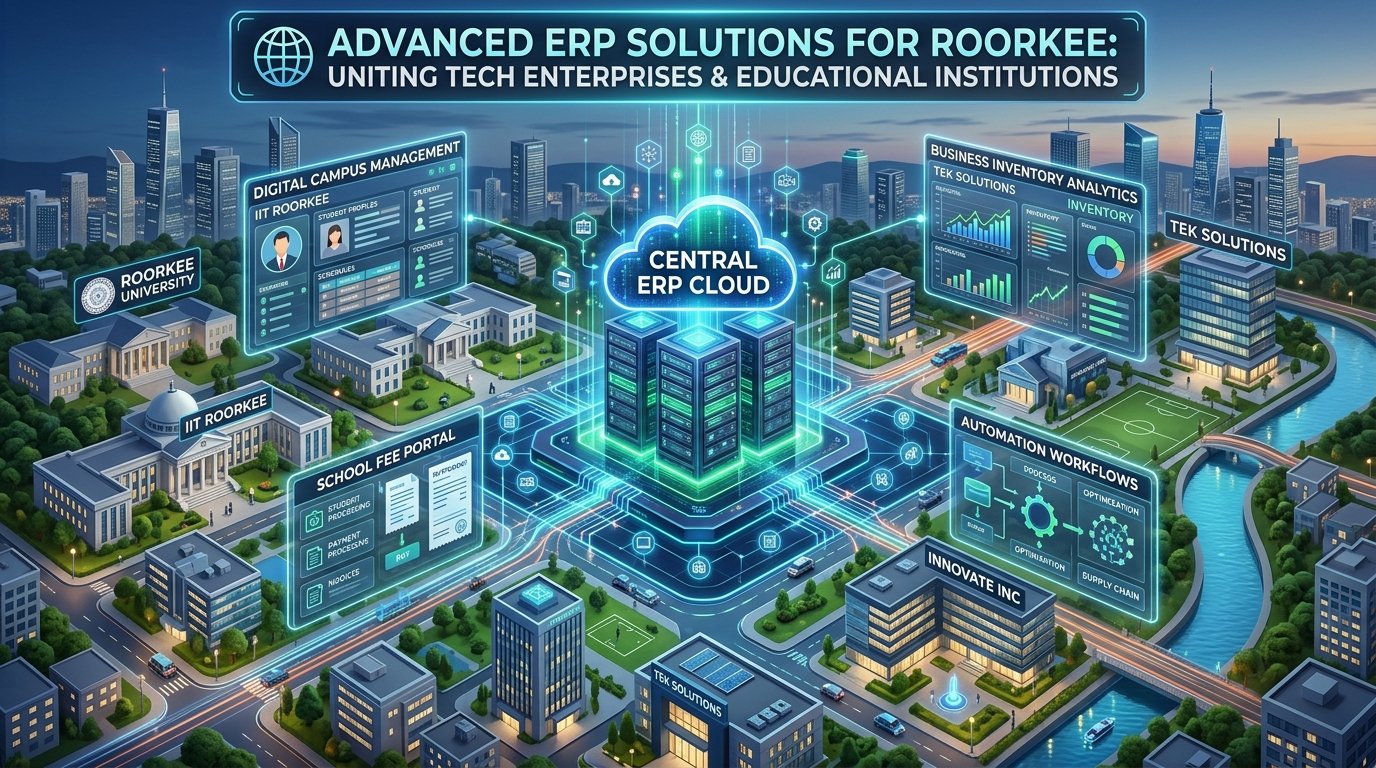
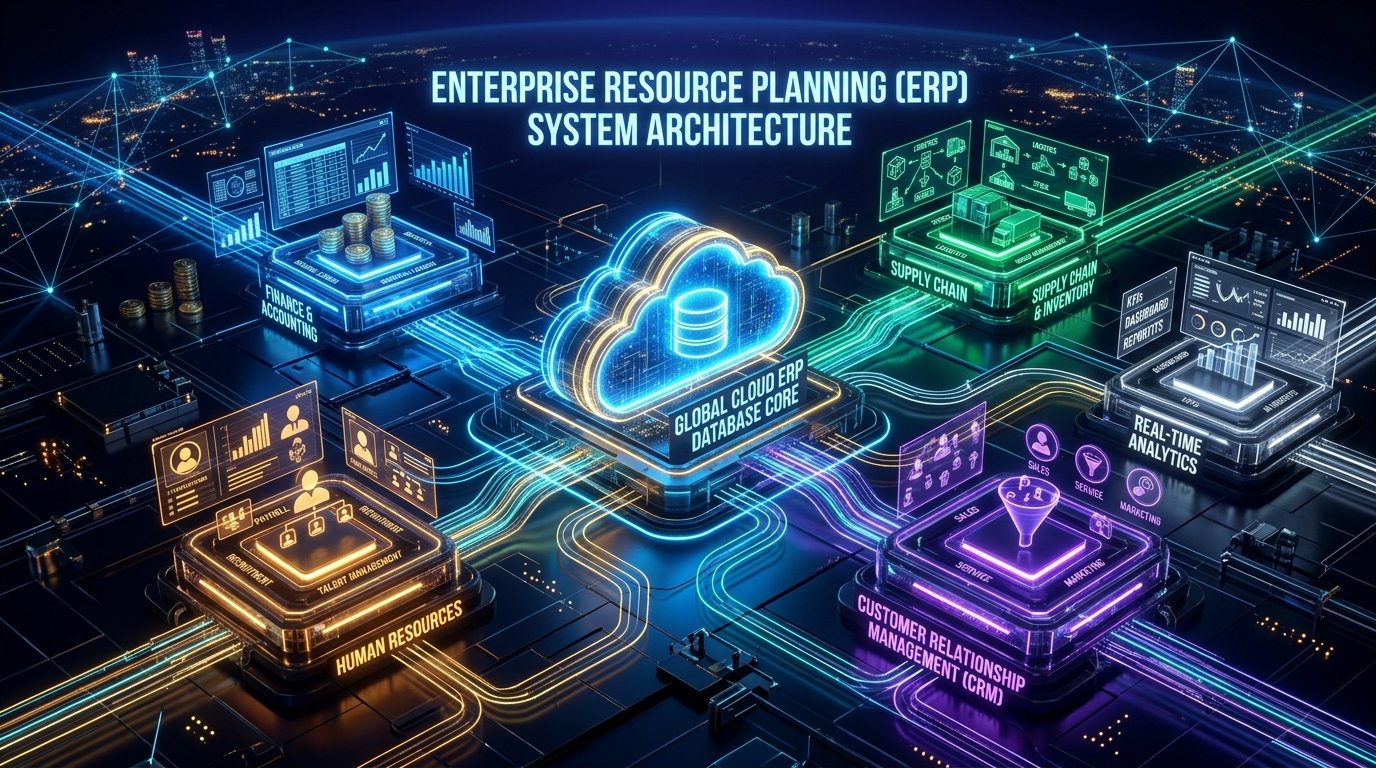
Enterprise Resource Planning (ERP) is a comprehensive software platform that unifies an organization's core business processes into a single, cohesive digital ecosystem. Rather than having accounting software on one computer, inventory spreadsheets on another, and human resources data locked in filing cabinets, an ERP system links every department through a shared central database.
In simple terms, an ERP acts as the central nervous system of modern business operations. When a customer places an order, the ERP system instantly updates inventory balances, notifies the dispatch warehouse, logs the transaction in the accounting ledger, and updates the sales team's commission dashboard—all in real time without manual re-entry.
How an ERP System Operates: The Power of Centralized Data
The fundamental strength of any modern ERP platform is its single source of truth. In organizations without an ERP, different departments frequently operate with contradictory data. The sales department might believe an item is in stock when warehouse workers have already promised it elsewhere. Finance may take weeks to reconcile monthly revenues because sales receipts must be manually collated.
With ERP software, data flows seamlessly across departmental boundaries. Every user with appropriate permissions accesses consistent, up-to-the-minute figures, eliminating discrepancies and empowering executives to make data-backed strategic decisions quickly.
Core Modules Found in Modern ERP Systems
Most ERP platforms are modular, meaning organizations can deploy the specific functionalities they require today and expand as they scale:
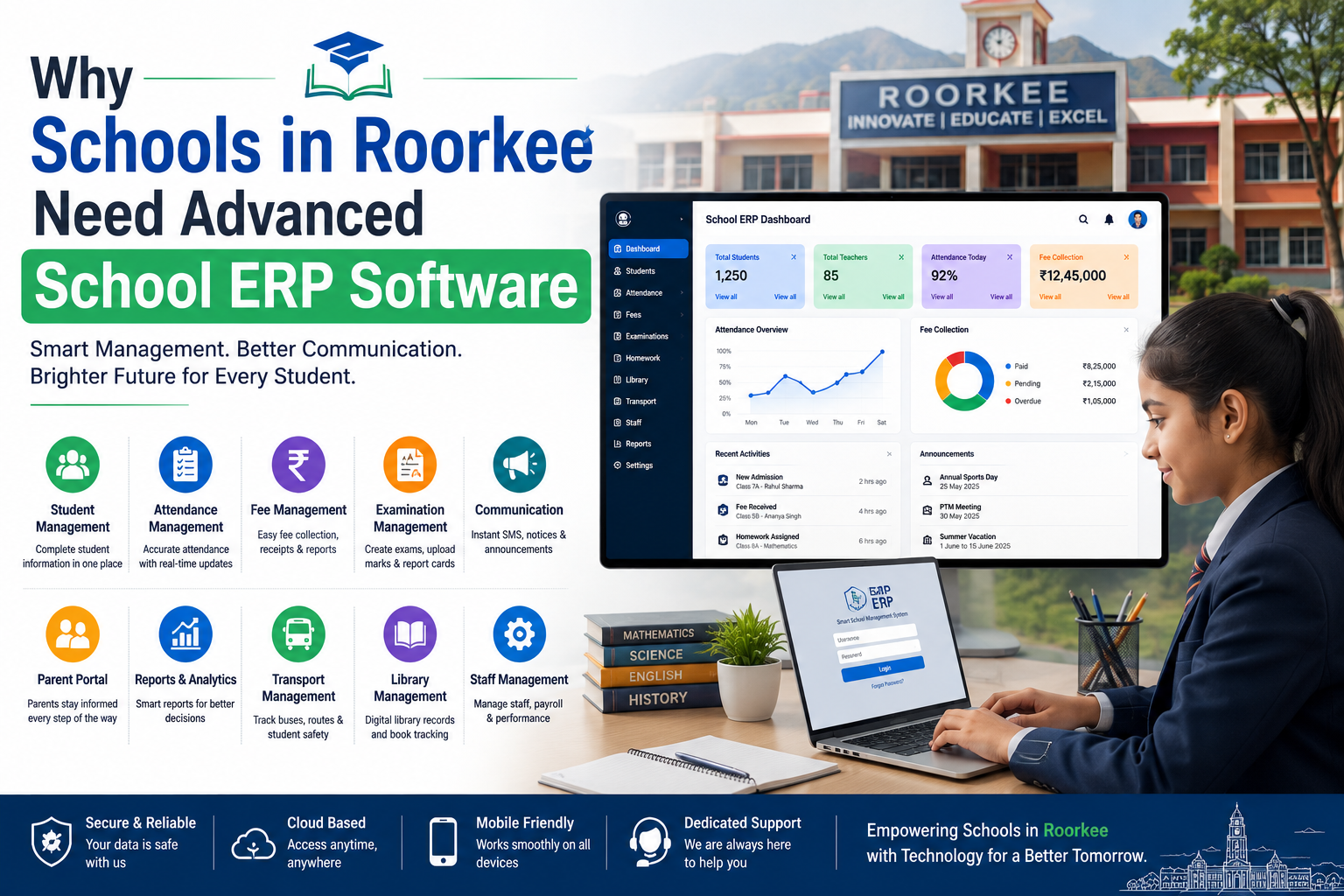
1. Financial Management & Accounting: Manages general ledger, accounts payable and receivable, asset depreciation, cash flow forecasting, and automated GST/tax filings.
2. Supply Chain & Inventory Control: Optimizes warehouse storage, tracks reorder points, manages supplier purchase orders, and automates barcode-assisted stock movements.
3. Human Resources & Payroll (HRM): Automates employee onboarding, biometric time tracking, leave calculations, statutory tax deductions, and monthly salary disbursement.
4. Customer Relationship Management (CRM): Consolidates client contact histories, tracks sales pipelines, manages support tickets, and automates email/WhatsApp follow-ups.
5. Production & Manufacturing Planning: Schedules machinery usage, calculates raw material bills of materials (BOM), and monitors production line yields.
6. Business Intelligence & Analytics: Interactive dashboards that convert complex raw operational numbers into clear charts, KPI trackers, and predictive trend forecasts.
The Shift to Cloud ERP: Why SaaS Dominates in 2026
Historically, ERP implementations required million-rupee on-premise server rooms, dedicated IT maintenance personnel, and multi-year rollout timelines. Today, Cloud ERP (Software as a Service) has democratized enterprise technology for small and medium businesses (SMBs), educational institutions, and startups.
Cloud ERP eliminates massive upfront capital expenditure. Organizations subscribe on a predictable recurring model, enjoy automatic cloud security patches, and can log in securely from any device anywhere in the world. System scaling happens with a click, allowing companies to add new branches, warehouses, or user seats without hardware constraints.
Key Business Benefits of Implementing an ERP System
Deploying an ERP system delivers quantifiable return on investment across multiple operational vectors:
• Drastically Reduced Operational Costs: Eliminates duplicate data entry, paper-based forms, and human errors, trimming overhead costs by up to 30%.
• Enhanced Regulatory Compliance: Built-in audit trails, timestamped activity logs, and automated tax calculations protect organizations from costly compliance penalties.
• Superior Customer Satisfaction: Faster order fulfillment, accurate delivery estimates, and instant query resolution create delightful customer experiences.
• Agile Business Scalability: Cloud ERP expands seamlessly alongside your business expansion, opening new locations and adding new product lines without friction.
Frequently Asked Questions About ERP
Q1: What does ERP stand for? ERP stands for Enterprise Resource Planning. It describes software designed to coordinate, automate, and integrate the daily business activities of an organization.
Q2: Which organizations need an ERP system? Any growing organization—including schools, universities, manufacturers, distributors, healthcare facilities, and retail stores—benefits immensely from an ERP system once manual processes create bottlenecks.
Q3: What is the difference between CRM and ERP? While a CRM focuses specifically on customer interactions and sales relationships, an ERP encompasses the entire operational backbone of the company, including finance, HR, inventory, and supply chain.
Q4: How does ERP Tech Pro assist with ERP adoption? ERP Tech Pro offers specialized, end-to-end ERP development and deployment services. We tailor software modules to your exact business rules, train your staff, and provide ongoing technical assistance.
An ERP system acts as the digital central nervous system of an organization, bridging isolated departments into a synchronized powerhouse.

Important Details
- Unified Single-Source-of-Truth Database for All Departments
- Real-Time Financial Reporting & Automated Tax/Invoice Reconciliation
- Seamless Supply Chain, Procurement & Inventory Optimization
- Centralized Human Capital Management, Payroll & Performance Tracking
- Scalable Cloud SaaS Architecture with Enterprise Cyber Security
Recent Posts